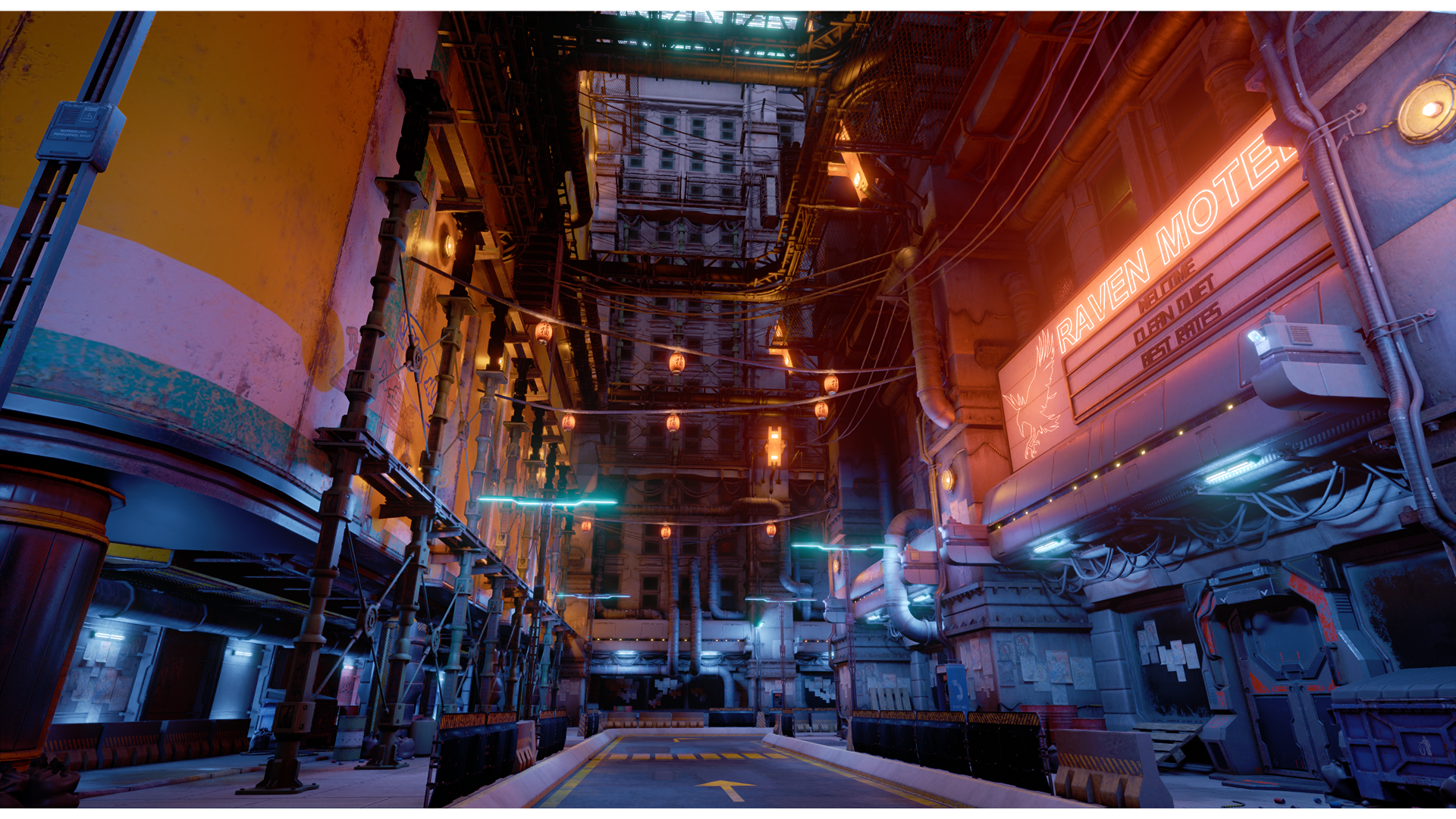
NVIDIA DLSS 4 with Multi Frame Generation has become the fastest-adopted NVIDIA gaming technology ever. Over 250 games and apps use it to make real-time path tracing possible—and upcoming titles for 2026, including PRAGMATA and Resident Evil Requiem, also plan to incorporate the software.
At CES 2026, the technology became even more powerful. NVIDIA introduced DLSS 4.5 with a second-generation transformer model for super resolution, and a 6x mode for Multi Frame Generation and Dynamic Multi Frame Generation that automatically shifts the frame generation multiplier in real time to maximize smoothness across games and scenes.
Today, developers can begin using the second-generation transformer model for DLSS Super Resolution to provide superior image quality.
A more powerful DLSS Super Resolution model
DLSS 4 introduced a transformer model architecture with NVIDIA GeForce RTX 50 Series GPUs. That enabled a leap in image quality over our previous convolutional neural network. The second-gen transformer model for DLSS 4.5 Super Resolution uses 5x more compute and is trained on an expanded data set, so it has greater context awareness of every scene and more intelligent use of pixel sampling and motion vectors.
This new model delivers increased temporal stability, superior anti-aliasing, and clearer gameplay in motion. By leveraging the power of the second-generation transformer, Performance Mode is now comparable to—and can even beat—native image quality, while Ultra Performance has evolved into a truly viable mode for 4K gaming.
Developers can get access to DLSS 4.5 Super Resolution through the DLSS Super Resolution Streamline Plugin today. Dynamic Multi Frame Generation and Multi Frame Gen with up to 6x mode will be available through the DLSS Multi Frame Generation Streamline Plugin this spring.
Neural shading made faster

The RTX Neural Shaders SDK was introduced last year with the GeForce RTX 50 Series GPUs. Neural shading represents a paradigm shift for how developers can use shaders in their graphics pipeline. The SDK lets developers train and deploy tiny neural networks from within shaders, and build applications that allow AI to enhance the gameplay experience. One such application is using AI for texture compression.
The RTX Neural Texture Compression SDK is an application of neural shaders. It uses AI to significantly compress textures more than traditional methods while maintaining similar image quality. This has resulted in significant performance improvements in the new 0.9 version. Block Compression 7 (BC7) encoding has been sped up by 6x, and inference speed has increased by 20% to 40% compared to version 0.8. That allows developers to minimize FPS impact when saving up to 7x system memory.
Developers can get started with the latest RTX Neural Texture Compression SDK today. In addition, RTX Kit update 2026.1 is live with the RTX Neural Shaders SDK—which has received bug fixes—and RTX Character Rendering SDK, which added Vulkan support for RTX Hair.
Get started with NVIDIA tools for neural shading though the NVIDIA RTX Kit.
NVIDIA ACE expands small language model support

NVIDIA ACE is a suite of AI technologies—spanning models, developers tools, and on-device inference—that’s designed to help middleware and game developers build knowledgeable, actionable, and conversational in-game characters. The NVIDIA Nemotron Nano 9B V2 model is now available through NVIDIA ACE as an In-game Inferencing (IGI) SDK plugin. It simplifies the integration within your gaming pipeline and optimizes simultaneous AI inference and graphics processing for accelerated game performance.
Developers have the option to disable intermediate reasoning traces to speed up response generation at a slight decrease in accuracy for more challenging prompts. This model enables developers to build enhanced game characters capable of real-time reasoning through non-scripted events, dynamic responses based on player inputs, and contextually accurate actions.
Alongside this release, Qwen3-8B support has expanded with 4B and 600M models. This offers developers choice when balancing speed, quality, and memory usage when integrating these models at runtime.
Test drive the Nemotron Nano 9B V2 at build.NVIDIA.com, then download the latest IGI SDK and plugins today to get started on game integrations.
NVIDIA Nsight Graphics 2025.5 adds dynamic shader editing, RTX hair support

NVIDIA Nsight Graphics recently released version 2025.5, with a focus on stability and feature completeness for the Graphics Capture activity. Graphics Capture provides a new foundation of tools and workflows for debugging D3D12 and Vulkan applications.
This release introduces dynamic editing of shader code in captured frames, as well as support for visualization of RTX Hair primitives (LSS hair) in the Ray Tracing Inspector. The GPU Trace Profiler also has numerous improvements, including a new workflow for organizing multiple traces taken in one session. For more details see the Nsight Graphics 2025.5 release spotlight video.
Resources for game developers
NVIDIA SDK Manager is a new installation manager that simplifies onboarding and accelerates integration of advanced graphics and AI tools for new developers.
- Streamline tools installation: Install and configure SDK dependencies such as CMake, Slang, and necessary developer tools
- Automate repository management and package installation: Automatically clone and update SDK repositories
- Simplify navigation: Direct links to GitHub repos and local installation paths
- Validate prerequisites: Validate NVIDIA driver and Visual Studio
- Initiate onboarding: Launch getting-started guides after installation
See our full list of game developer resources here and follow us to stay up-to-date with the latest NVIDIA Game development news:
- Join the NVIDIA Developer Program (select gaming as your industry)
- Follow us on social: X, LinkedIn, Facebook, and YouTube
- Join our Discord community