Israeli startup UVeye developed an AI-based recognition system that scans the underside of moving vehicles to identify potential hidden threats.
“UVeye is changing the way people approach security when traveling by vehicle with a fast, accurate and automatic machine learning inspection system that can detect threatening objects or unlawful substances, for example, bombs, unexposed weapons and drugs,” Amir Hever, CEO and co-founder of UVeye.
Using GTX 1080 Ti GPUs and the cuDNN-accelerated TensorFlow deep learning framework, the technology is able to identify any modifications made to the structure of a vehicle’s underside in real-time.
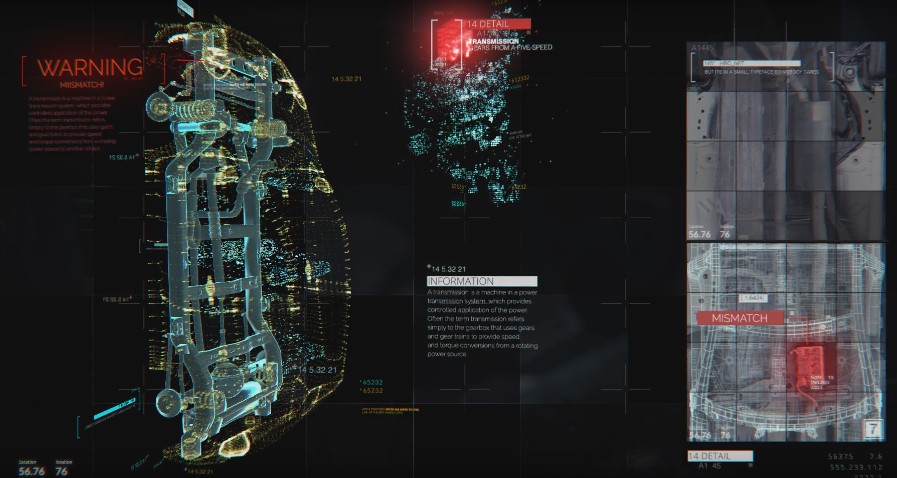
Five HD cameras are used to scan the undercarriage of the vehicle and produces a 3D color map which allows the system to automatically identify any suspicious objects, changes, or additions made that are different than the manufacturer’s specifications.
“In the era of Mobility-as-a-Service, companies such as car rental companies, fleets, car dealerships, vehicle repair shops, and OEMs all rely on seamless vehicle operation. UVeye’s machine learning system can detect vehicle leaks, wear and tear, and any damages that would previously go unnoticed. Detecting any of these damages can save companies the time and costs involved in conventional inspection methods,” explains Hever about finding a second market for their technology.
Read more >
Next-Generation Under Vehicle Inspection System

Jul 10, 2017
Discuss (0)
AI-Generated Summary
- Israeli startup UVeye developed an AI-based recognition system that scans the underside of moving vehicles to identify potential hidden threats such as bombs, weapons, and drugs.
- The technology uses GTX 1080 Ti GPUs and the cuDNN-accelerated TensorFlow deep learning framework to identify modifications to a vehicle's underside in real time.
- Five HD cameras produce a 3D color map that automatically detects suspicious objects, changes, or additions differing from manufacturer specifications.
- UVeye's machine learning system also detects vehicle leaks, wear and tear, and damages for car rental companies, fleets, dealerships, repair shops, and OEMs.
Next Step
- Read the TechCrunch article for additional details on UVeye's technology.
Powered by NVIDIA Nemotron. AI-generated content may summarize information incompletely. Verify important information. Learn more
About the Authors