NVIDIA OptiX™ Ray Tracing Engine
An application framework for achieving optimal ray tracing performance on the GPU. It provides a simple, recursive, and flexible pipeline for accelerating ray tracing algorithms. Bring the power of NVIDIA GPUs to your ray tracing applications with programmable intersection, ray generation, and shading.
Get Started
Ray Tracing
Programmable GPU-accelerated Ray-Tracing Pipeline, single-ray shader programming model using C++, and ray Tracing acceleration using RT Cores.
Scalability
Optimized for current and future generations of NVIDIA GPU architectures. Transparently scales across multiple GPUs, and can combine GPU memory over NVLink for large scenes.
Ease of Integration
Free for commercial use. Nsight Compute 2019.4 & NsightVSE 2019.3, debugger OptiX application profiling support.
Shader Execution Reordering (SER)
SER is a performance optimization that unlocks the potential for better ray and memory coherency in ray tracing shaders.
Learn more about SERAI-Accelerated Denoiser
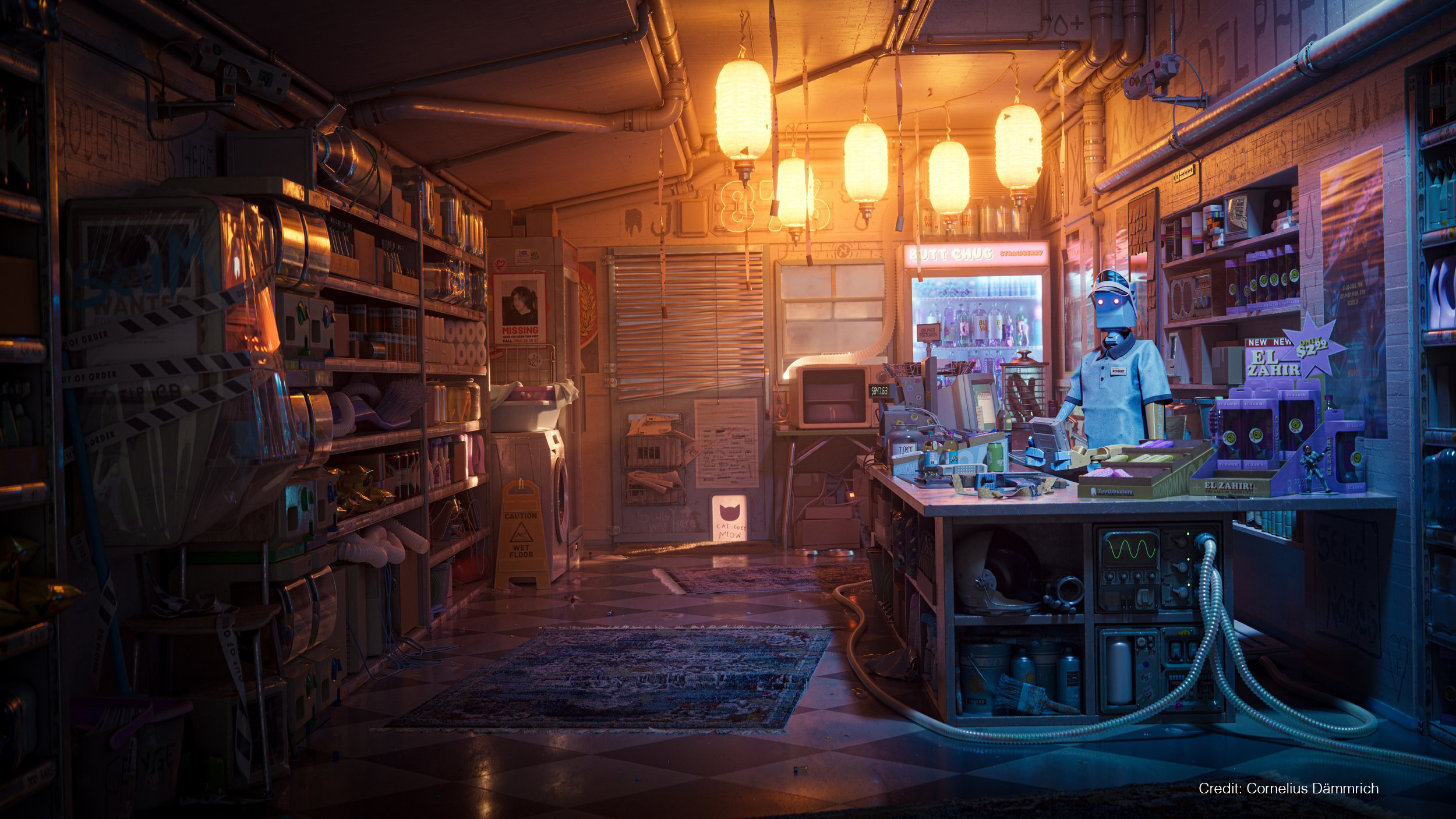
Included with OptiX, the AI-Accelerated Denoiser is a new post-processing feature to denoise images reducing the need for rendering iterations. This denoiser is based on a paper published by NVIDIA research “Interactive Reconstruction of Monte Carlo Image Sequences using a Recurrent Denoising Autoencoder” It uses GPU-accelerated artificial intelligence to dramatically reduce the time to render a high fidelity image that is visually noiseless.
Learn More
Partners
From film and games to design and scientific visualization, OptiX has been successfully deployed in a broad range of commercial applications. These applications range from rendering software to scientific visualization (including Gordon Bell Award finalists), defense applications, audio synthesis, and computing lightmaps for games.





 Without Denoiser | With
Denoiser
Without Denoiser | With
Denoiser
 Without Denoiser | With
Denoiser
Without Denoiser | With
Denoiser




OptiX in the News

NVIDIA releases OptiX 8
A flexible and powerful ray tracing solution for the Media and Entertainment Industry.

What’s New in OptiX
Catch up with the latest additions to the OptiX SDK and learn tips and tricks on how best to implement them into your products.

OptiX Advanced Topics
GTC 2021 Session
Join Senior Software Engineer, David Hart for a deep dive into the OptiX Curves API and learn best practices for how to best optimize your applications.